

Mahavir Jayanti on 31 March 2026: A Day of Reflection, Faith, and Nationwide Observance
On Tuesday, 31 March 2026, India observes Mahavir Jayanti, one of the most significant religious festivals in Jainism. Recognized as a gazetted public holiday, the day brings a pause to routine life across many regions, with schools, banks, government offices, and major institutions remaining closed.
This date marks the 2624th birth anniversary of Lord Mahavira, the 24th and final Tirthankara of Jainism—a spiritual teacher whose message continues to shape ethical and philosophical thought worldwide.
While the official observance is on March 31, 2026, regional adjustments exist. In some areas, including parts of Karnataka and Madhya Pradesh, local administrations have shifted the public holiday to March 30, 2026, reflecting administrative flexibility in aligning with lunar timings and logistical considerations.
Understanding the Spiritual Core of Mahavir Jayanti
Mahavir Jayanti is not simply a commemorative event—it represents a living philosophy rooted in discipline, compassion, and moral clarity.
The Birth of a Spiritual Reformer
Lord Mahavira, born as Prince Vardhamana in 599 BCE in present-day Bihar, renounced royal life at the age of 30 in pursuit of enlightenment. After 12.5 years of intense ascetic practice, he attained Kevala Jnanam (infinite knowledge) and spent the next three decades teaching principles that would define Jainism.
His teachings were codified into the five core vows (Pancha Mahavratas):
- Ahimsa (non-violence)
- Satya (truth)
- Asteya (non-stealing)
- Brahmacharya (chastity)
- Aparigraha (non-possession)
These principles are not limited to religious practice—they extend into ethical living, environmental consciousness, and social harmony.
How 31 March 2026 Will Be Observed
A Nationwide Pause: Public Holiday Impact
As a gazetted holiday, Mahavir Jayanti significantly affects public life:
- Schools and colleges: Closed in most states
- Banks and post offices: Non-operational in multiple major cities
- Government offices: Shut nationwide
- Stock markets: Trading suspended across NSE and BSE
Key states observing the holiday include Gujarat, Maharashtra, Karnataka, Rajasthan, Uttar Pradesh, Bihar, and West Bengal, among others.
This widespread closure allows millions to participate in religious activities, family gatherings, and community service initiatives.
Rituals, Traditions, and Community Celebrations
Mahavir Jayanti celebrations blend devotion with social responsibility:
- Temple visits and prayers: Devotees offer prayers and participate in spiritual discourses
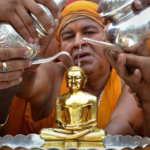
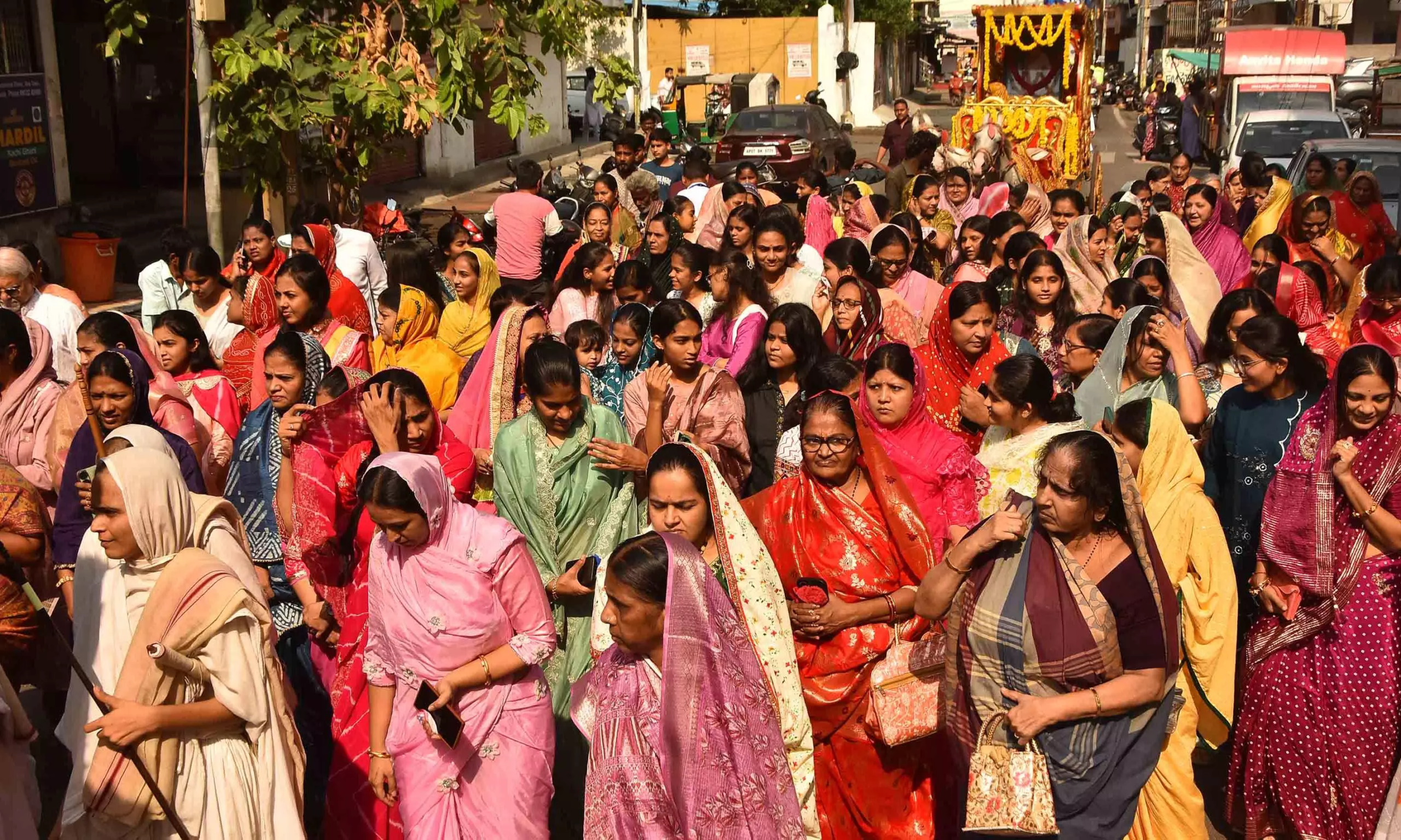
- Processions (Rath Yatras): Colorful parades featuring idols of Lord Mahavira
- Charity (Daan): Distribution of food, clothes, and essentials to the needy
- Meditation and reflection: Focus on self-discipline and ethical living
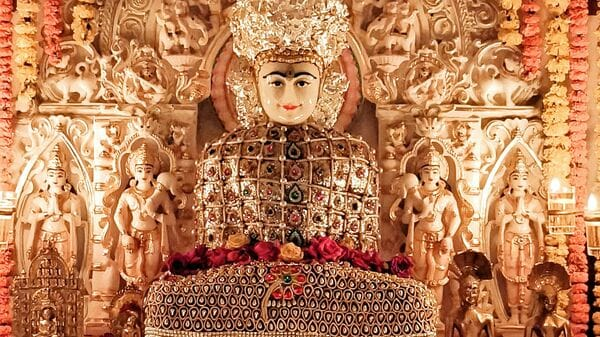
Temples are decorated, and communities organize gatherings to revisit Mahavira’s teachings, reinforcing values that transcend religious boundaries.
The Lunar Timing Behind the Festival
Mahavir Jayanti follows the Hindu lunar calendar, specifically the Trayodashi Tithi of the bright half of the Chaitra month.
For 2026:
- Trayodashi begins: March 30, 2026, at 07:09 AM
- Trayodashi ends: March 31, 2026, at 06:55 AM
This alignment determines the official celebration date, explaining why the festival shifts each year within the March–April window.
A Festival with Global Relevance
Although rooted in India, Mahavir Jayanti resonates globally. Jain communities across the world—from North America to Europe—observe the day through prayers, lectures, and charitable initiatives.
Today, over 4–5 million Jains worldwide follow the teachings of Mahavira, reflecting the enduring influence of his philosophy.
His emphasis on non-violence (Ahimsa) has also inspired global figures such as Mahatma Gandhi and continues to influence movements related to vegetarianism, animal rights, and peaceful coexistence.
Cultural and Social Significance in Modern Times
Beyond Religion: A Framework for Ethical Living
In a world facing conflict, environmental degradation, and social inequality, Mahavir Jayanti offers a timely reminder of:
- Non-violence as a universal ethic
- Truth and transparency in governance and society
- Minimalism and sustainability
- Tolerance through Anekantavada (many-sided reality)
These values are increasingly relevant in discussions around climate change, corporate responsibility, and global peacebuilding.
Economic and Institutional Impact
The holiday also has measurable economic implications:
- Financial markets pause trading, affecting daily liquidity cycles
- Banking services are limited, though digital banking remains operational
- Public sector productivity temporarily halts, aligning with national observance
Despite these pauses, the holiday contributes to cultural cohesion and social well-being, which are equally vital to long-term economic stability.
Looking Ahead: The Evolving Relevance of Mahavir Jayanti
Interestingly, Mahavir Jayanti will not occur in 2027 as per standard calendar listings, highlighting the festival’s dependence on lunar calculations rather than fixed Gregorian dates.
As global awareness of ethical living grows, the teachings of Mahavira are likely to gain further prominence in:
- Sustainability movements
- Mindfulness and wellness practices
- Conflict resolution frameworks
- Ethical business models
Mahavir Jayanti, therefore, is not just a historical observance—it is a forward-looking celebration of values that align with the challenges of the modern world.
Conclusion: A Day That Transcends Time
The observance of 31 March Mahavir Jayanti 2026 is more than a public holiday—it is a moment of collective introspection. It invites individuals, communities, and institutions to revisit principles that prioritize compassion over conflict, truth over convenience, and simplicity over excess.
In a rapidly changing world, the enduring message of Lord Mahavira remains clear: ethical living is the foundation of a harmonious society.